
The Risks of Pressure Washing Your Roof and the Benefits of Soft Washing
Updated: Sep 23
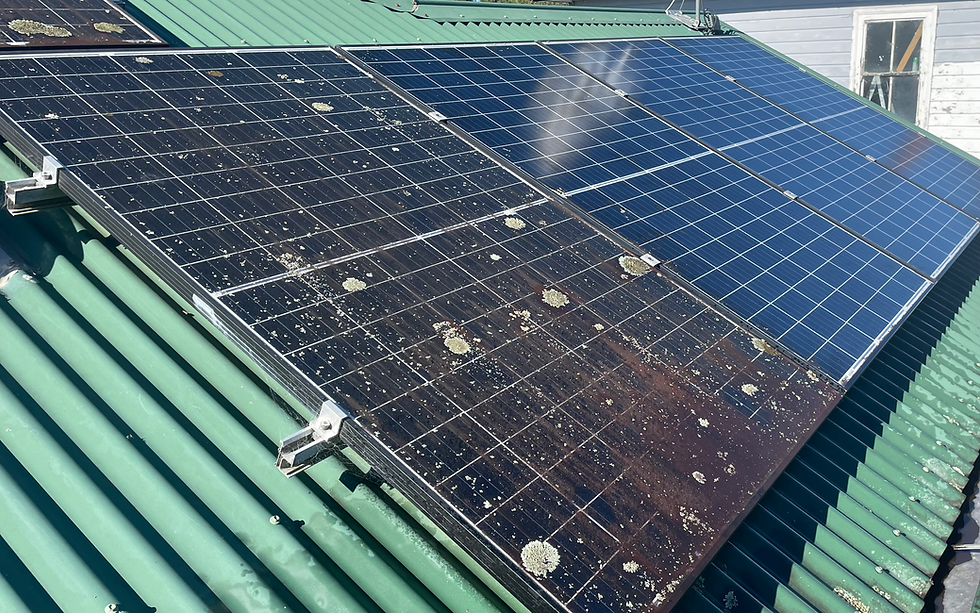
Roofs protect our homes from the elements, but they also face constant exposure to dirt, mold, moss, and algae. Many homeowners want to keep their roofs clean and may consider pressure washing as a quick solution. However, pressure washing can cause serious damage to roofing materials, especially tiles and colorbond. This post explains why pressure washing is risky, how it can harm your roof, and why soft washing offers a safer, more effective way to clean and maintain your roof.

Why Pressure Washing Can Damage Your Roof
Pressure washing uses a high-powered stream of water to blast away dirt and grime. While this method works well on hard surfaces like concrete or brick, it is too harsh for roofing materials such as tiles, shingles, or Colorbond.
Cracking and Chipping of Tiles
Roof tiles, especially clay or concrete ones, are brittle. The force of pressure washing can crack or chip them, leading to costly repairs or replacements. Even small cracks allow water to seep underneath, causing leaks and structural damage.
Stripping Protective Coatings
Many roofs, such as colorbond have protective coatings that shield them from UV rays, moisture, and algae growth. Pressure washing can strip away these coatings, leaving the roof vulnerable to faster deterioration and discolouration.
Water Intrusion Risks
The strong water pressure can force water under shingles or tiles, leading to trapped moisture. This moisture can cause rot, mold growth, and damage to the roof decking and insulation.
Short-Term Cleaning with Long-Term Damage
While pressure washing may remove visible dirt quickly, the damage it causes often shortens the roof’s lifespan. Homeowners may end up paying more for repairs or early roof replacement.
What is Soft Washing and Why It’s Safer
Soft washing is a cleaning method that uses low-pressure water combined with specialized cleaning solutions. Instead of blasting the roof, soft washing gently cleans the surface and kills organic growth without causing damage.
Gentle on Roofing Materials
Soft washing uses water pressure low enough to avoid damaging tiles, shingles, or coatings. This preserves the roof’s integrity and appearance.
Effective Cleaning with Chemicals
The cleaning solutions used in soft washing contain agents that kill mold, moss, algae, and mildew at the root. This means the roof is not just cleaned but treated to prevent regrowth.
Longer-Lasting Results
Because soft washing kills the organisms causing stains and damage, the roof stays cleaner longer. This reduces the need for frequent cleanings and extends the roof’s life.
Environmentally Friendly Options
Many soft wash solutions are biodegradable and safe for plants and pets when applied correctly, making it a responsible choice for homeowners.
How Soft Washing Works to Kill Organic Matter
Soft washing involves applying a carefully formulated cleaning solution to the roof surface. This solution typically contains:
Sodium Hypochlorite or Bleach
Kills mold, algae, moss, and mildew effectively.
Surfactants
Help the solution stick to the roof surface and penetrate organic growth.
Water
Dilutes the chemicals to safe levels for roofing materials.
The Soft Washing Process
Inspection
A professional inspects the roof to identify problem areas and assess the best cleaning approach.
Preparation
Plants, outdoor furniture, and other sensitive areas are protected to prevent chemical exposure.
Application
The cleaning solution is sprayed evenly over the roof using low-pressure equipment. The solution is left to dwell for 10 to 15 minutes to kill organic matter.
Rinsing
The roof is rinsed gently with low-pressure water to wash away dead organisms and residue.
Final Inspection
The roof is checked to ensure thorough cleaning and no damage.
Benefits of Soft Washing Beyond Cleaning
Soft washing does more than just remove dirt and stains. It offers several advantages that help maintain your roof’s health:
Prevents Regrowth of Mold and Moss
By killing spores and roots, soft washing stops mold and moss from returning quickly.
Protects Roof Materials
Soft washing preserves protective coatings and prevents tile cracking.
Improves Curb Appeal
A clean roof enhances your home’s appearance and can increase property value.
Saves Money Over Time
Reducing damage and extending roof life lowers repair and replacement costs.
Safer for Homeowners and Landscapes
Soft washing uses less water and safer chemicals, reducing risks to people and plants.
Practical Tips for Homeowners
Avoid DIY pressure washing on your roof. The risk of damage is high without professional equipment and expertise.
Hire a certified soft washing professional who understands roofing materials and uses safe cleaning solutions.
Schedule roof cleaning every 2 to 3 years or as needed based on your local climate and roof condition.
Regularly inspect your roof for signs of moss, algae, or damage to catch problems early.
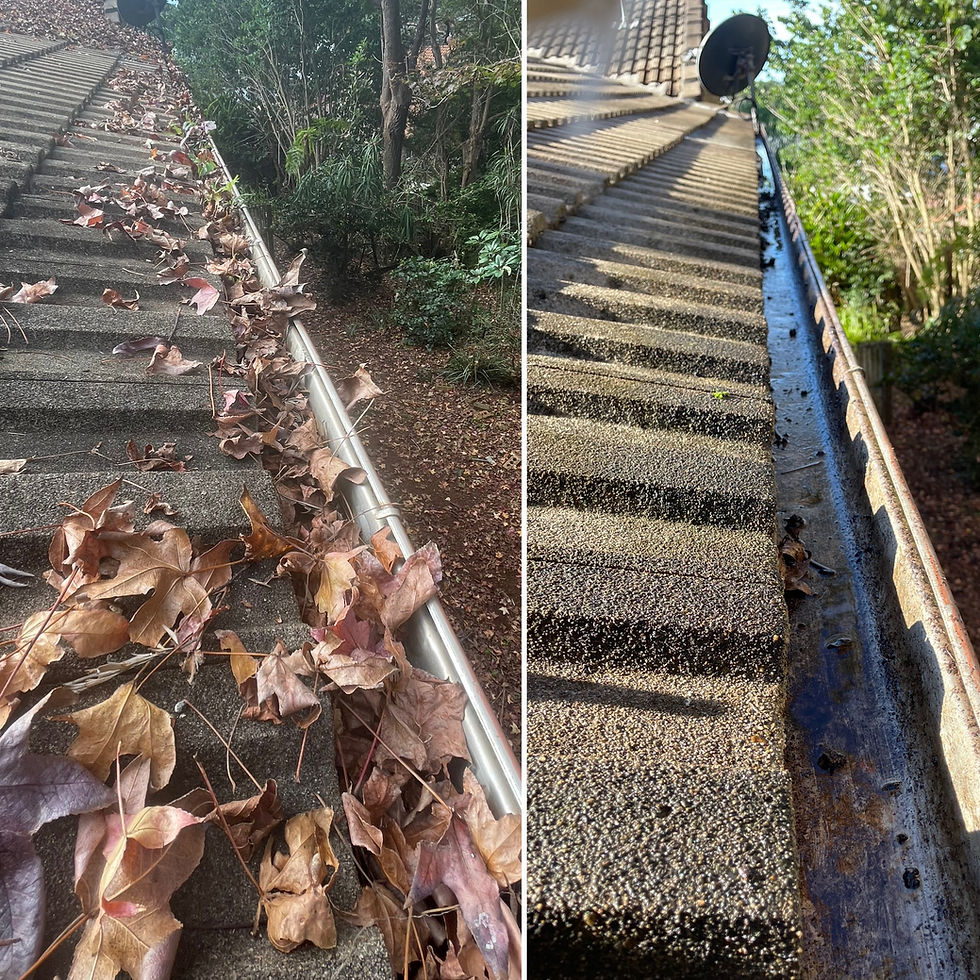
Combine roof cleaning with gutter maintenance to ensure proper water drainage and prevent buildup.
Comments